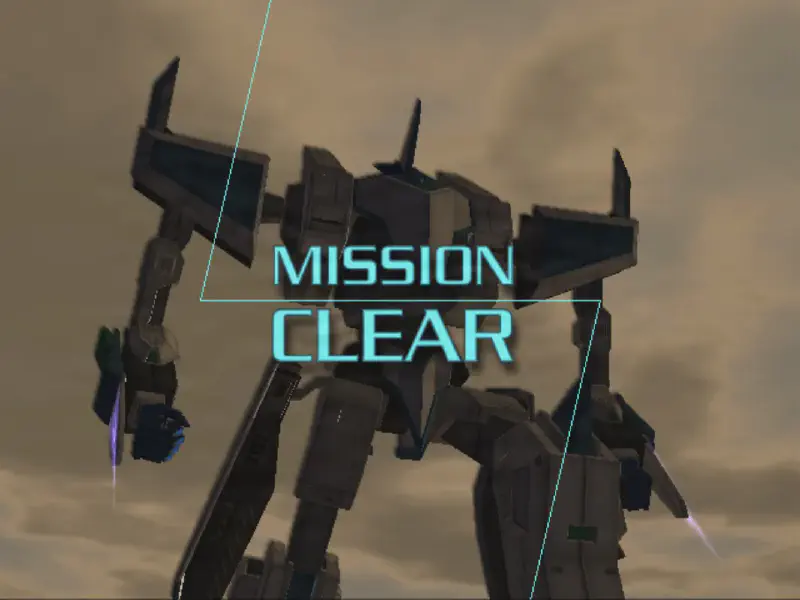
Introduction#
A few months ago, I found a YouTube video by Regaulity titled “Accidentally on Purpose” about a game called Robot Alchemic Drive.
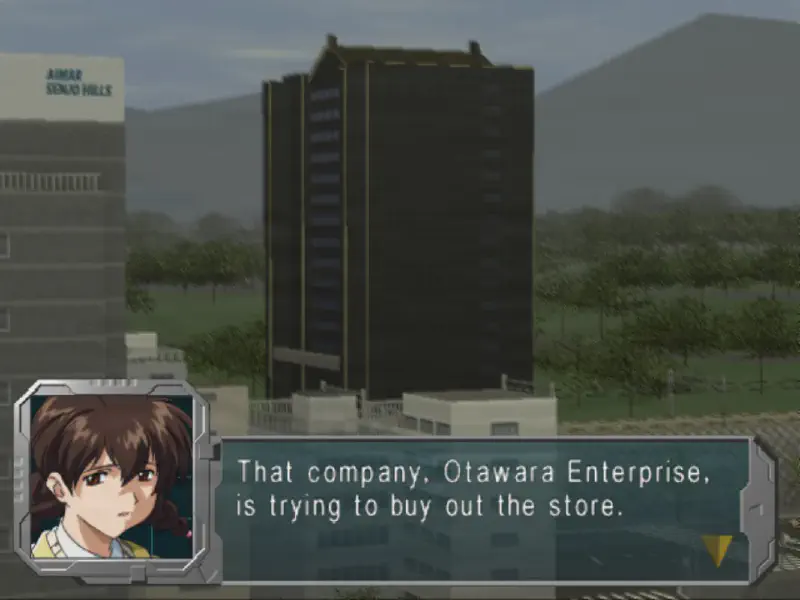
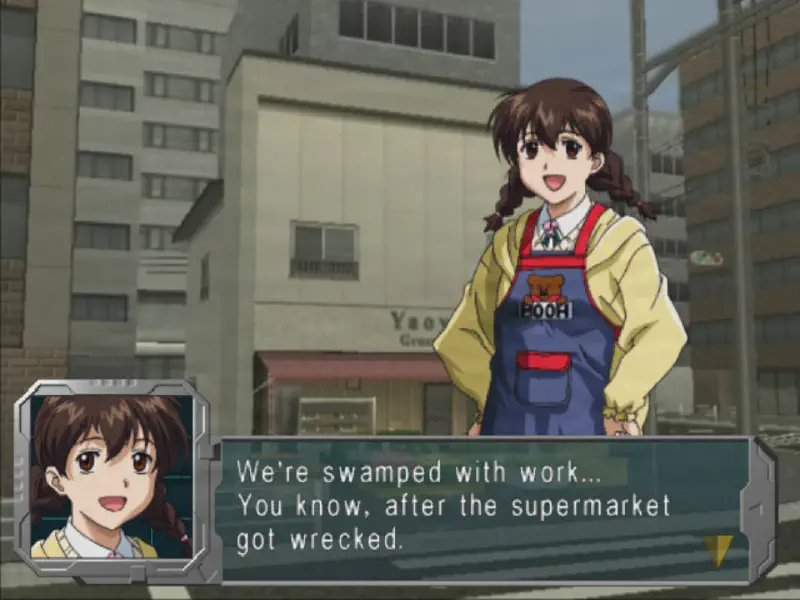
In the video, there is a girl named Nanao who gets a new part-time job at a small grocery store. She is worried that a nearby supermarket opening will decrease the number of customers. To make matters worse, a land agency is trying to acquire the land to build a new commercial street.
Then a giant alien mecha suddenly drops from the sky, and the protagonist of the game has to fight it.
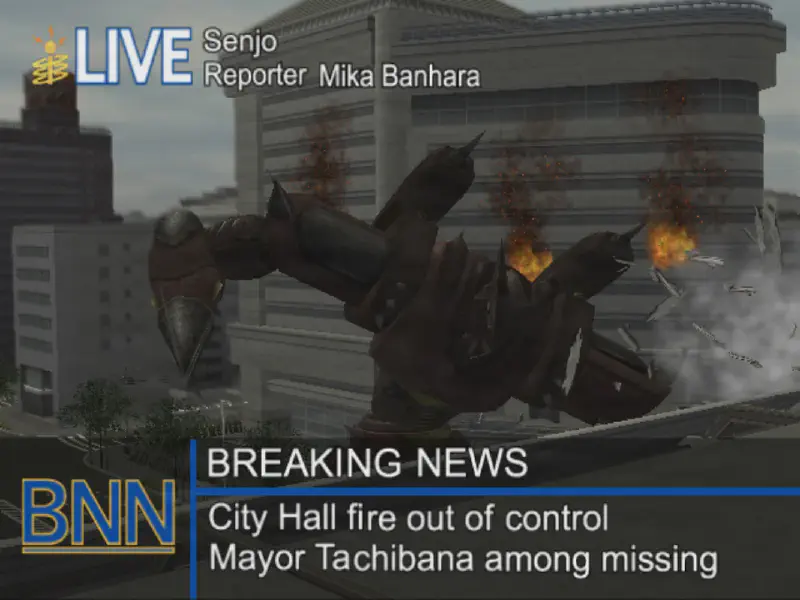
During the process, you can “accidentally” destroy the super market and the headquarters of the land agency.
 |  |
|---|
I was intrigued by the game for a few reasons.
- The extremely bad voice acting to the point where it feels charming.
- You can “accidentally” destroy buildings.
- The fact that destroying buildings actually affects the story.
At least, those were the things I gathered from that video. Knowing almost nothing about the game, not even its genre (although the title does give some hints), I installed it on my Steam Deck and finished it over the span of around a month. In total, it took me about 10 hours to beat the game.
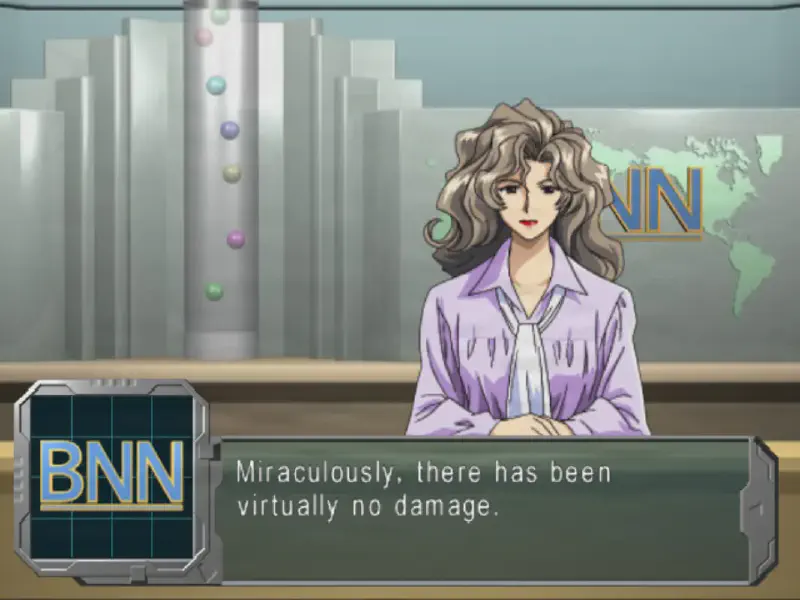
The game is divided into 53 chapters. Each chapter basically follows the structure ofintro story -> enemy appears -> defeat them -> (occasional afterward story) -> result (news).
The enemies are called Volgara, alien mecha that want to destroy our cities (for reasons that are explained later in the story). And it is our job to stop them.
Overall, the game is not very difficult once you get used to the controls, although it does take some time to learn them at the beginning, which I will talk about later.
What is Robot Alchemic Drive?#
Robot Alchemic Drive is a 2002 PlayStation 2 action game developed by Sandlot and published by Enix.
You can choose from three characters, including Naoto, Ryo, or Yui, the seventeen-year-old “Chairman” of the bankrupt Tsukioka Industries. While they each have slightly different stories, they share the same stats.
You control a mecha, (or meganite) that fights Volgara. However, instead of controlling the robot from inside a cockpit, you remotely control it from outside, from the perspective of the character you chose. This is what makes the game so unique.
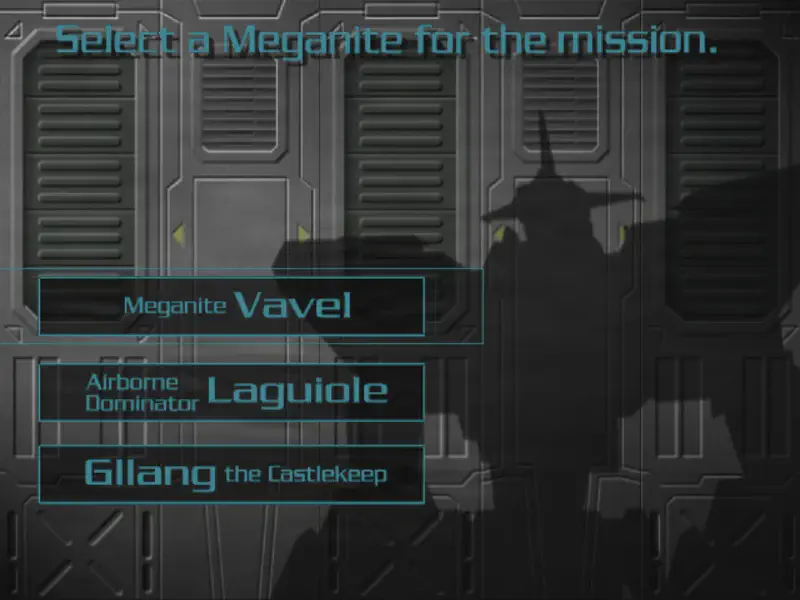
You can choose one of three different meganite at the start, including Vavel, Laguiole, and Gllang (although you will unlock all of them as the game progresses). Vavel is the standard, well-rounded meganite that cannot transform. Laguiole is the lighter one that can transform into a plane, and Gllang is the heavy one that can transform into a tank.
Controls#
Speaking of our mecha, let’s first talk about how we control them.
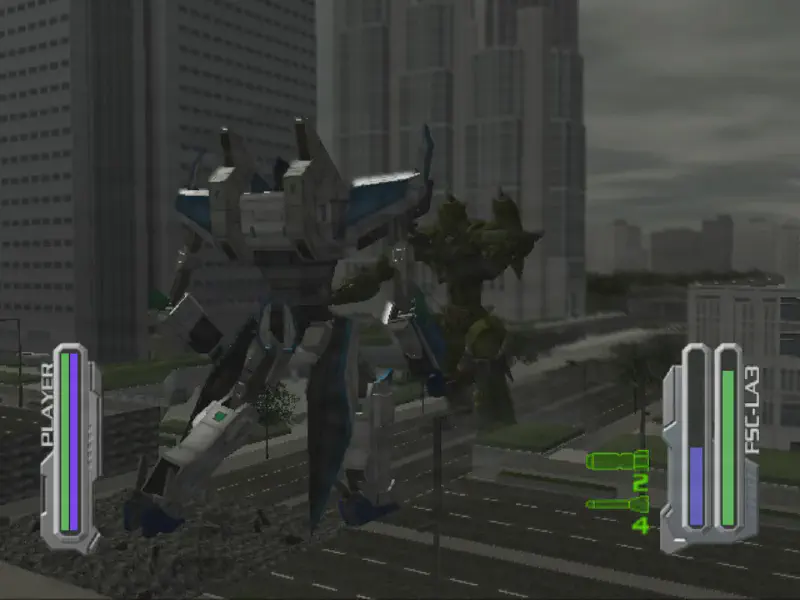
As I mentioned earlier, these mecha are remotely controlled. So first let’s talk about movement. You need to control both the mecha and the player character. For the player, you want them to stand in a safe place so that you can see both your mecha and the enemies.
 |  |
|---|
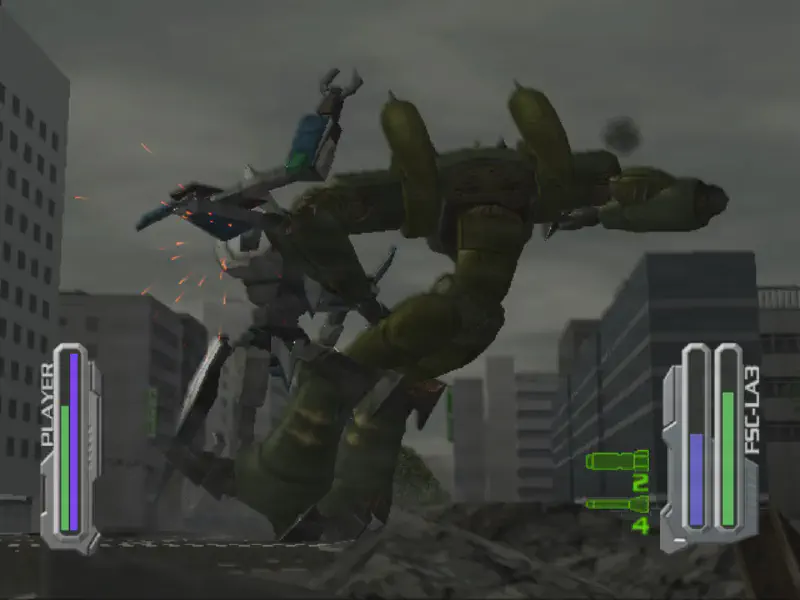
To move the player, you use the thumbstick. To move the mecha, you use L1/L2 to move the left leg and R1/R2 to move the right leg. To turn left, press L1 and L2 at the same time, press R1 and R2 together to turn right. You can also crouch and jump very high.
The controls take some time to get used to. I was very confused at the beginning because the dialogue goes by very quickly, and the game just throws an enemy at you and expects you to already know how to control everything.
 | 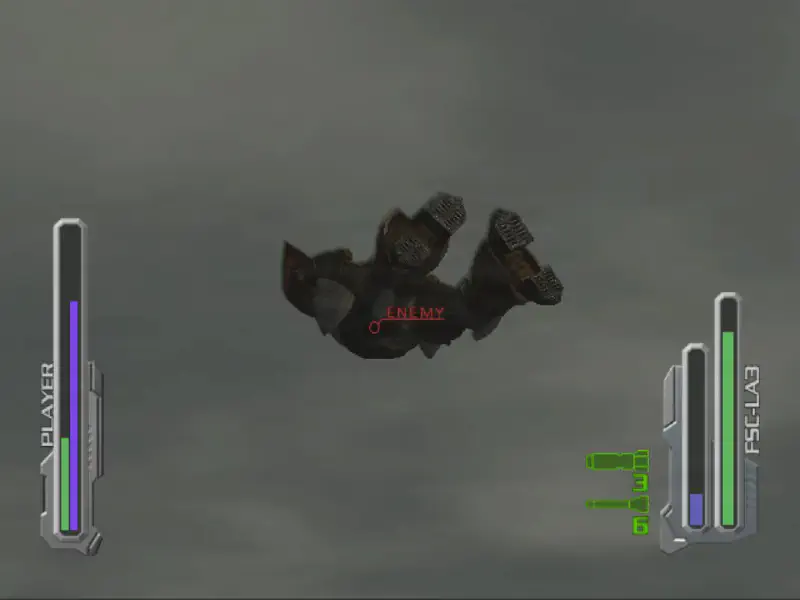 |
|---|
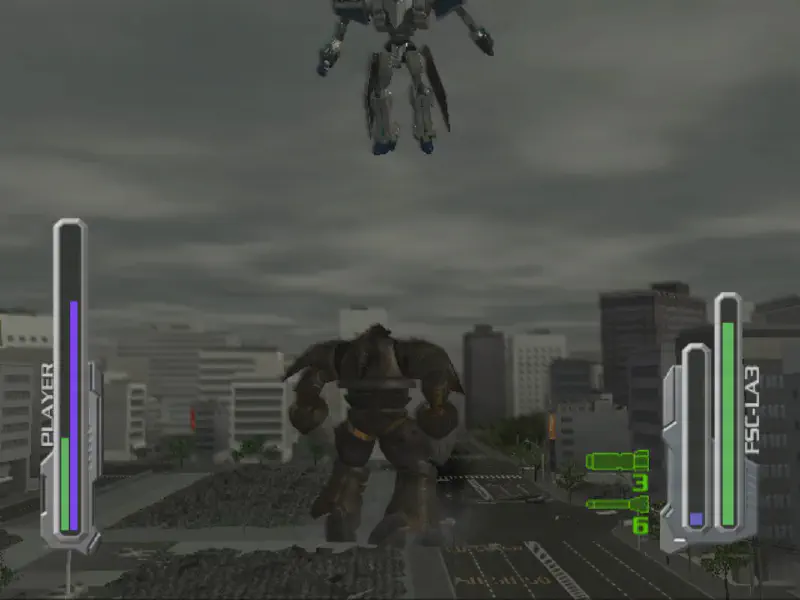
(Me after mastering the controls. Just jumping around and knocking enemies into the sky.)
You also have something called gravity boots, which allow you to fly for a brief period of time. Alternatively, you can use the stairs, which are actually much faster than flying. Just press X on a ground-level door.
You basically need to constantly switch between controlling the mecha and controlling the player, since the main method of fighting is with your fists. Both the enemies and you will destroy buildings during the fight, so you also need to constantly make sure the place where you are standing is safe.
Although in practice, it is actually very hard for the player to die. I only died once during my entire playthrough, and it was because of my “ally” launched its rocket punch right at where my character was standing. I saw the punch coming, but I couldn’t move because the skill is, I guess, special or something, that locks both my movement and the camera, and forced me to stare at the punch as it approaching me.
This mechanic is both fun and frustrating. It is fun because it makes the entire game feel very immersive, and you constantly have to calculate whether it is a good time to relocate, which would leave your mecha unprotected, or delay it and risk having your view blocked.
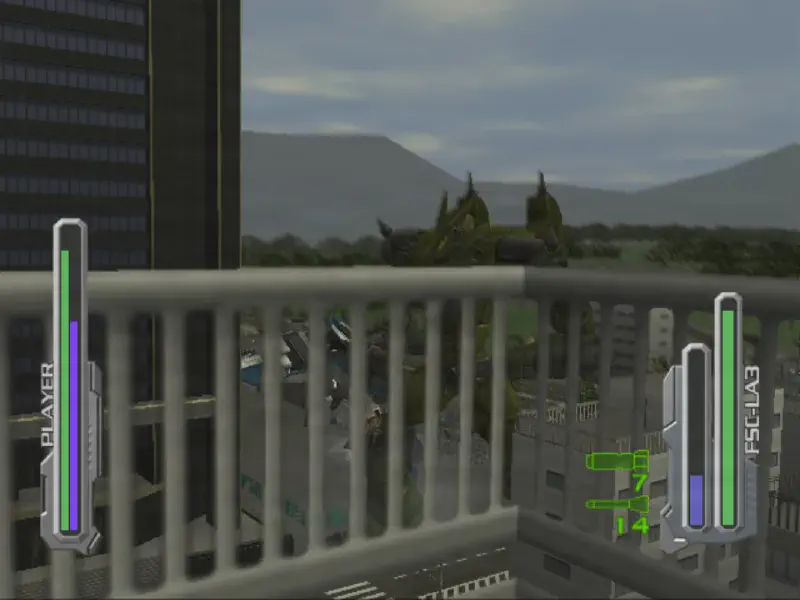
It is frustrating because some enemies love to move constantly. You might punch them once and then spend the next half minute chasing them. On top of that, a lot of the buildings have safety rails that block half of your screen.
Weapons & Attacks#
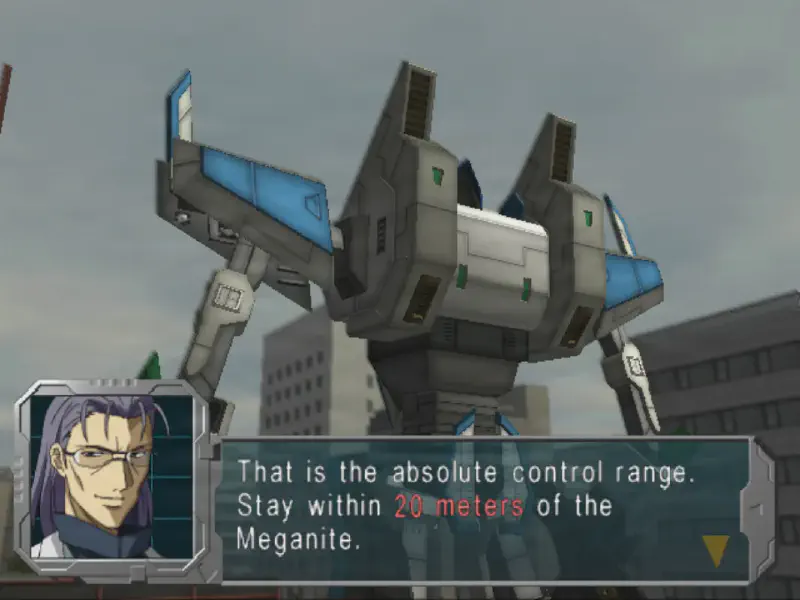
To attack, you can either punch enemies or use your limited missiles. The left stick controls the left arm, and the right stick controls the right arm. There are many combos you can perform depending on which mecha you are using.
Each mecha also has its own missiles, but they are pretty much completely useless (or maybe I just didn’t know how to use them) except for a very few levels where you need to destroy enemy’s buildings. First, it is virtually impossible to aim when you are not viewing the battlefield from the perspective of your mecha. Second, enemies can simply “phantom” (teleport) away right before your missile hits them.
The game says you can temporarily disable the phantom system, but in practice it is usually easier to just defeat the enemies normally.
Technically, there is also a third weapon, and that is the grenades that the player can throw an unlimited number of times. In fact, in certain later chapters it is much easier to use Laguiole in its plane mode as bait to attract all the enemies while you simply throw grenades at their feet.
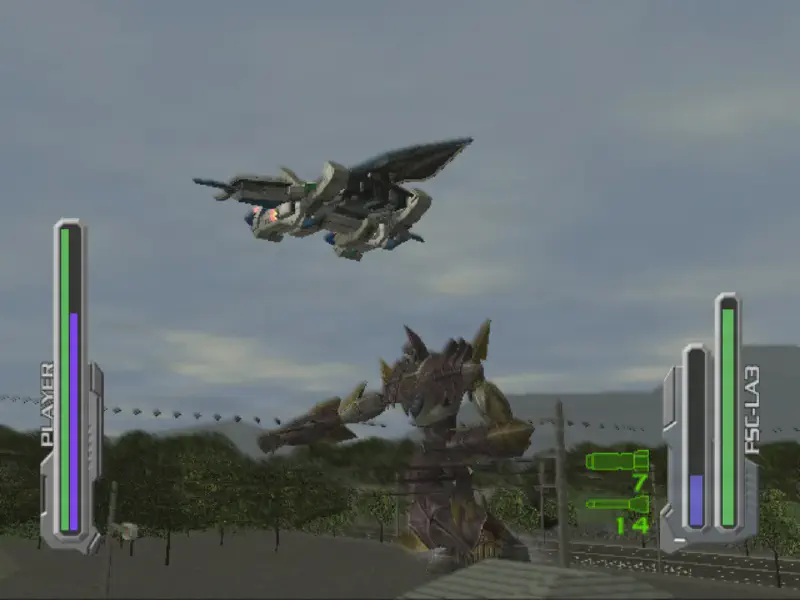
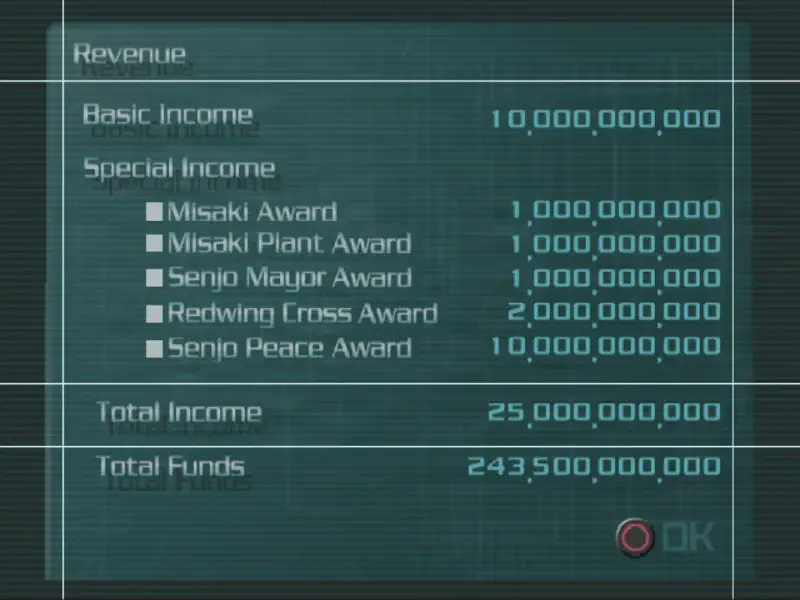
Pretty much all the buildings in the game can be destroyed. Depending on how many buildings you destroy, the cost of reconstruction will be different.
Missions & Objectives#
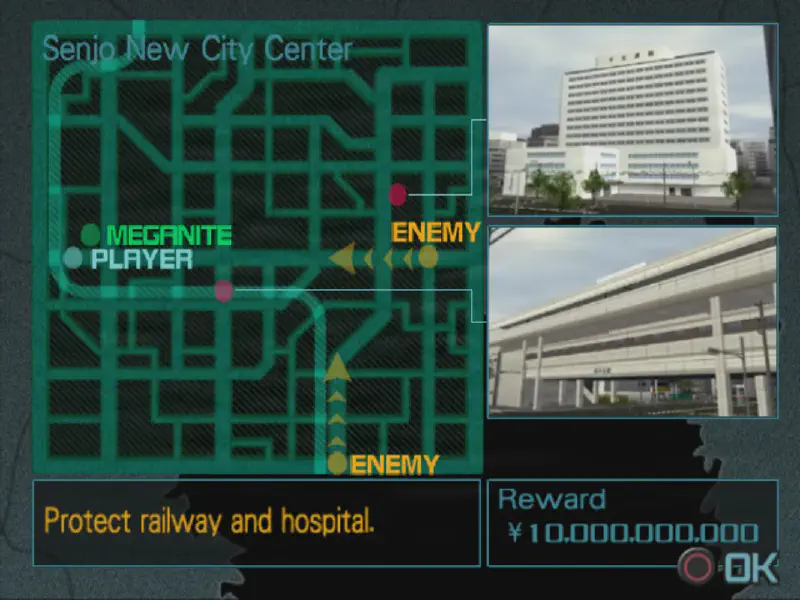
Some companies and government organizations will also pay you if you protect their buildings or complete their objectives. These payments are your main source of income. But unless you plan to max out every mecha, you will have more money than you ever need near the end of the game. (You can save a tons by not upgrading the useless missiles.)
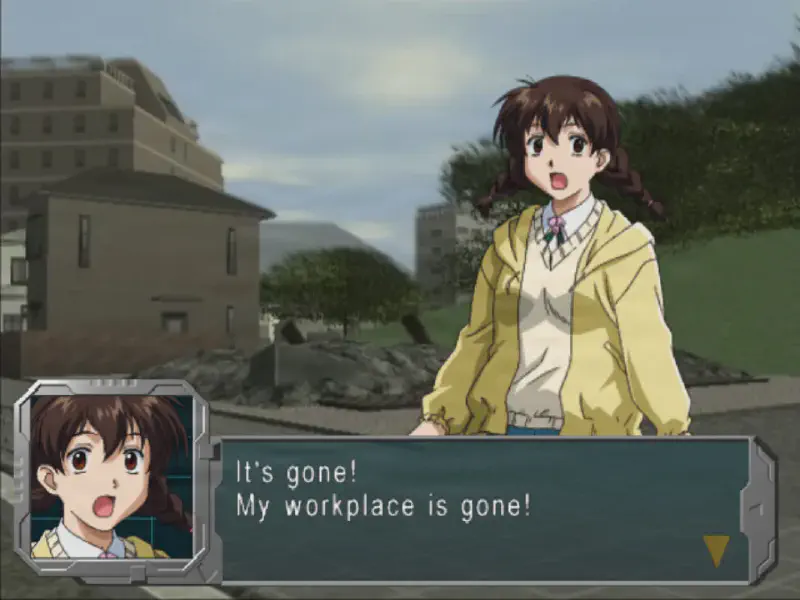
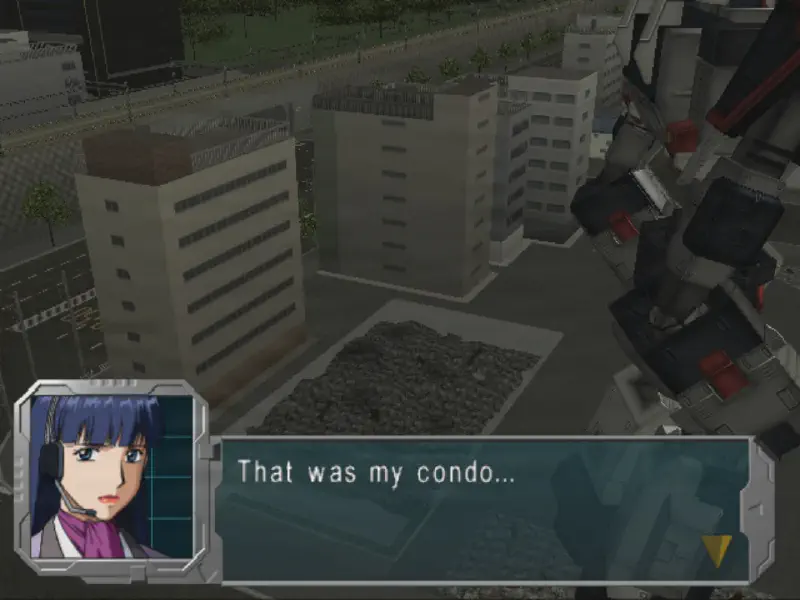
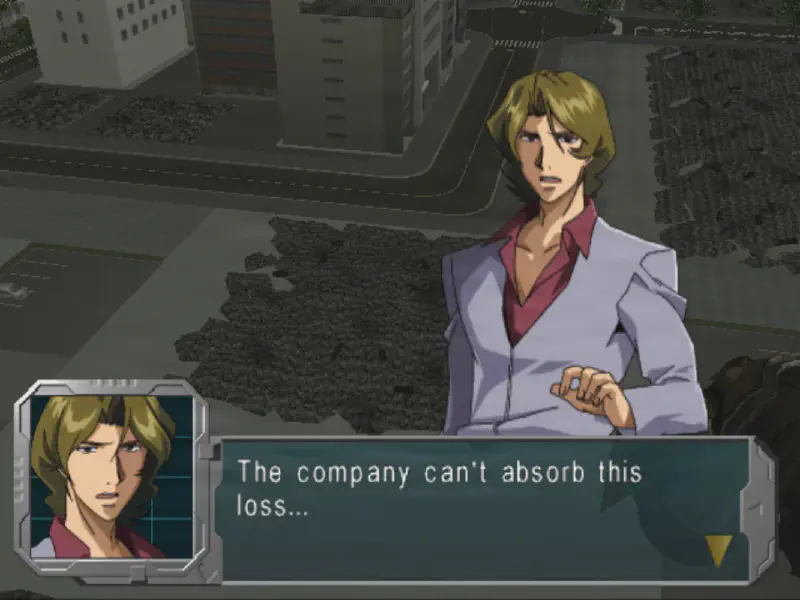
There are also several special buildings where destroying them will trigger unique dialogue.
Some buildings are quite difficult to protect, I have to restart some levels multiple times to save them.
 | 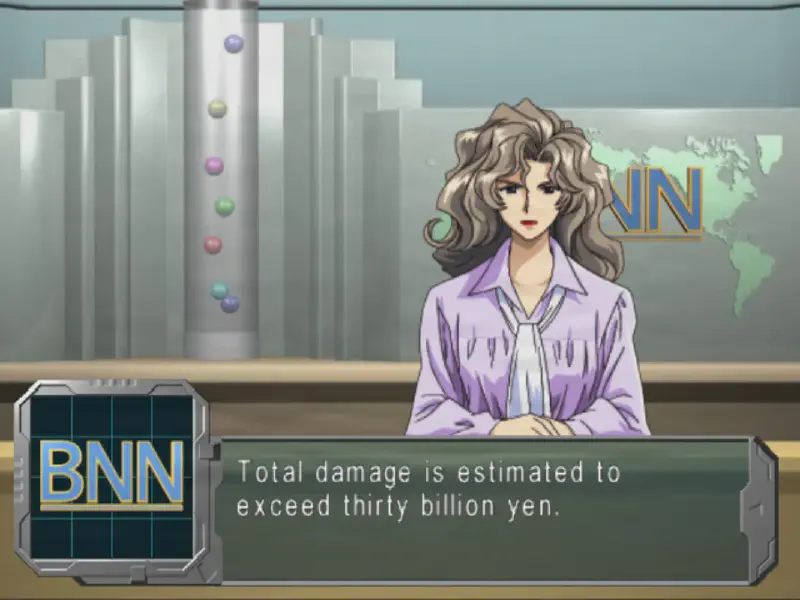 | 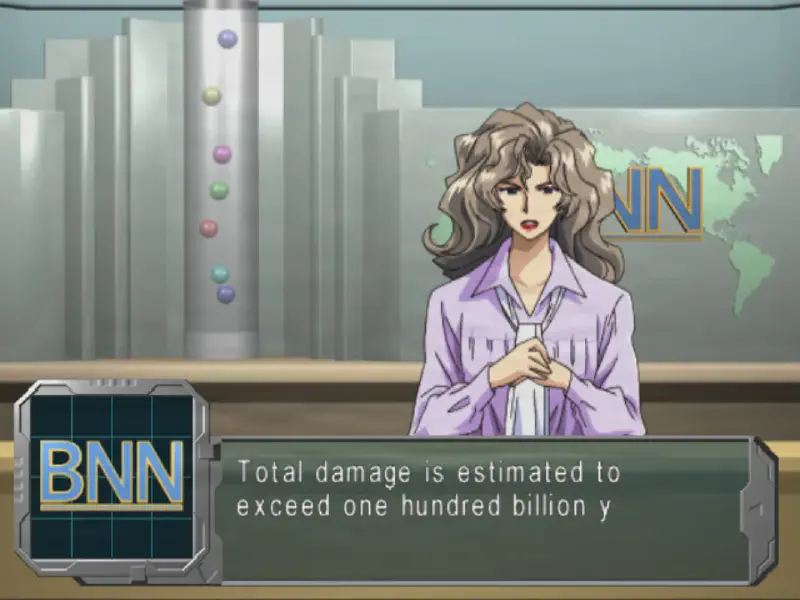 | 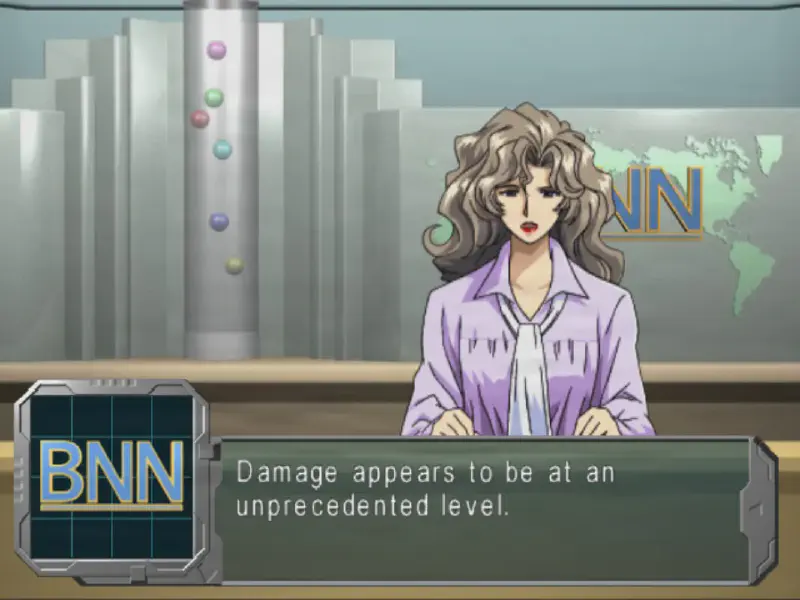 |
|---|
 |  |
|---|
 |  |  |
|---|
Occasionally, there are also additional objectives and restrictions like capturing a specific target, protecting reporters, or staying above a certain height from the ground.
Combat Experience#
So we talked about the controls and objectives, but what is it actually like to fight these alien mecha?
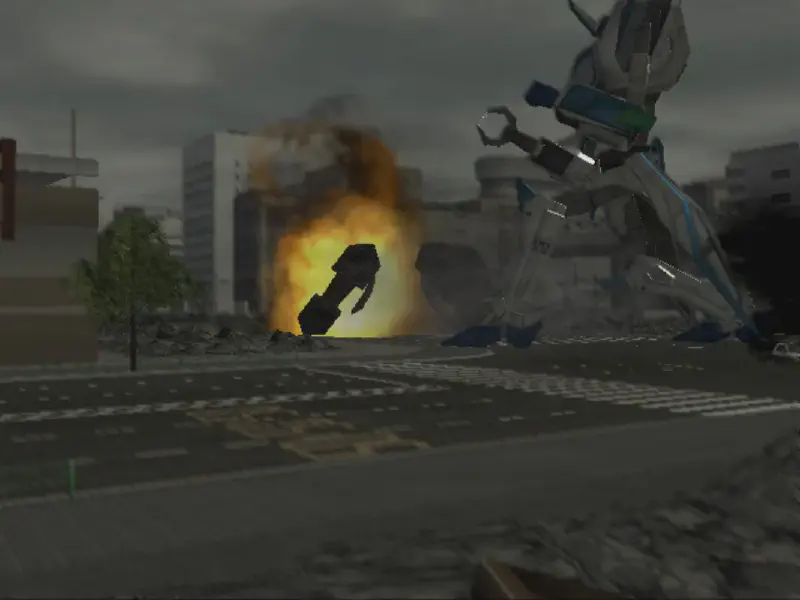
Well, folks, believe it or not, despite having the technology to travel all the way to Earth, and even the ability to do short range teleportation, the best they can do is fistfight with our mecha. There are occasional laser beams and rocket punches, but those are usually pretty easy to dodge.
That said, this doesn’t mean the game is boring. The game makes up for it by having quite a large variety of enemies. You have the most basic kinds of enemies, enemies with shields, enemies that spin, enemies that move very fast, and so on.
There are also many different environments with their own challenges, like downtown city areas, suburban neighborhoods, offshore locations, mountains, etc.
There are bosses as well, although to be honest, aside from their look, fighting them doesn’t feel that different from fighting normal enemies.
I think most of the challenge and the fun actually comes from trying to complete the optional objectives. You end up being curious about what happens if a certain building gets destroyed… or if you manage to protect them.
Story#
Finally, let’s talk about the story.
For the most part, I think the main story is quite generic. While the battles themselves are very immersive and the mechanics are interesting, the game is divided into many small chapters, and most of them begin rather randomly without much explanation. A lot of the time, I didn’t even know how much time had passed since the last chapter.
The story also doesn’t make much sense, like the aforementioned fact that they have the technology to travel all the way to the Earth, yet still fight using their fists.
Throughout most of the game, the story keeps emphasizing how strong the enemies are and how weak we, the human, are compared to them. But I never really felt that sense of strength.
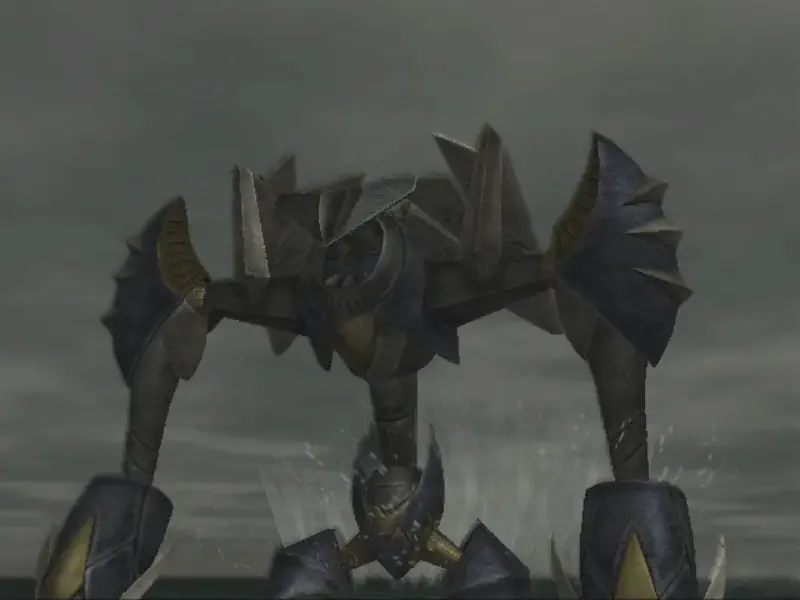
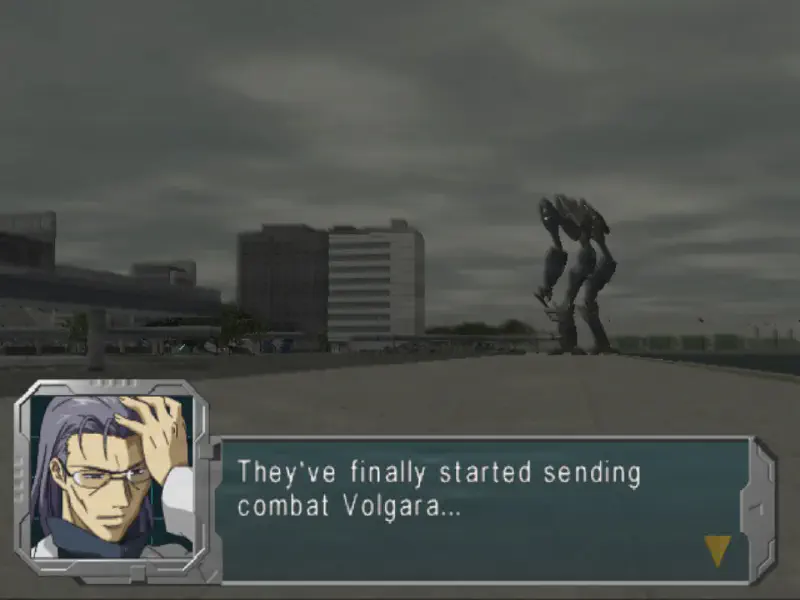
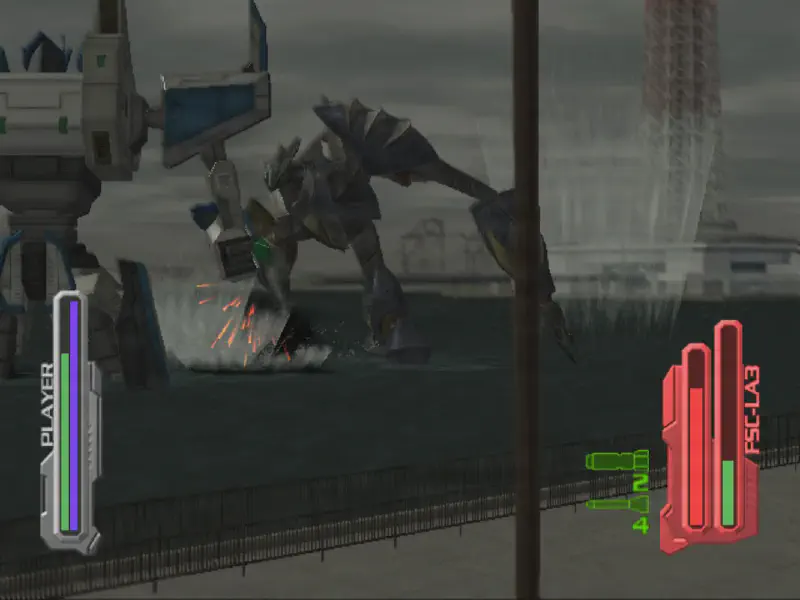
The only time I thought, “Oh, they are finally sending in a stronger unit,” was when they explicitly introduced a “combat unit”. It moves very fast, has some cool special moves, and even looks powerful (at least in the CG). But then I just beat the shit out of it. The only reason I lost eventually was because it was a scripted defeat to justify the mecha “awakening” or whatever.
 |  |
|---|
The new “awakened state (forgot what they are called)” time limited mode is pretty cool though. It makes battles more interesting. (Although, if you fail to defeat the enemies within the time limit… actually, I have no idea what will happen.)
Anyway, I don’t really care that much about the main story when playing the game. It’s probably unfair to judge a 20-year-old game by today’s standards anyway. As I mentioned earlier, I was more interested in the “side stories,” if you can call them that. Like how destroying certain buildings triggers unique dialogue.
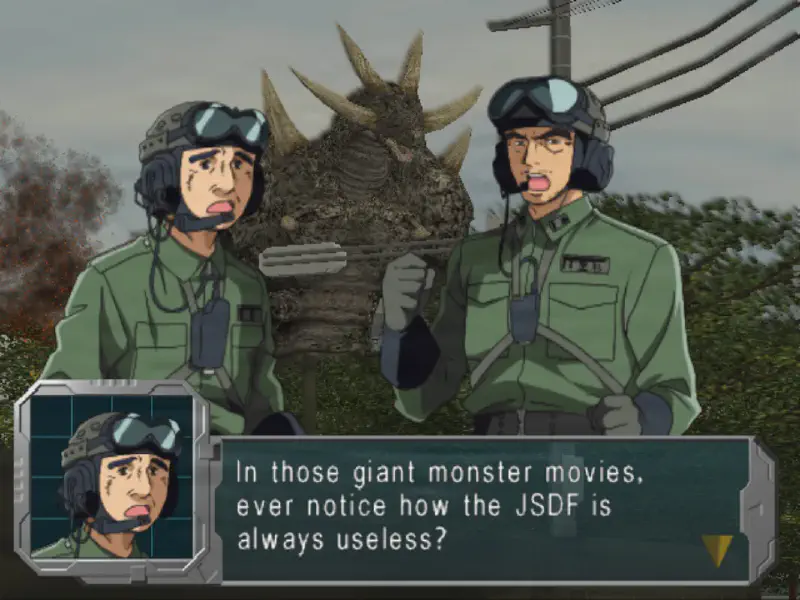
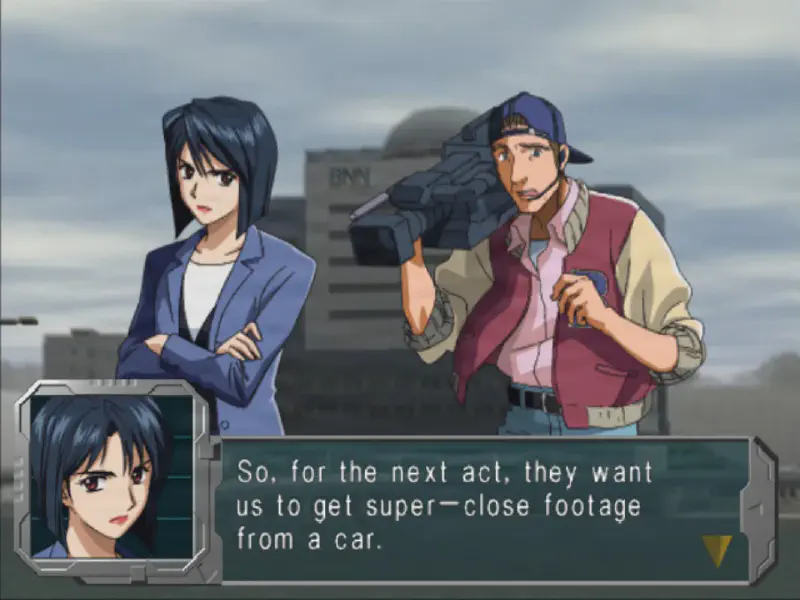
There are also some funny recurring side characters, and I am always surprised to see that they’re still alive.
 |  |
|---|
Final Thoughts#
It’s a very interesting game with a very unique mechanic. Despite the graphics being limited by the PS2 era, that doesn’t stop it from being, quite literally, the most immersive mecha game I have ever played. I can’t think of any other mecha game with such a unique control scheme. I really wish some indie developers would pick up this concept and create a modern interpretation with updated graphics.
(Maybe I will try making it. Even just a prototype would be fun.)